ELECTRIC SPINACH STANDARD™ SUCCESS STORY
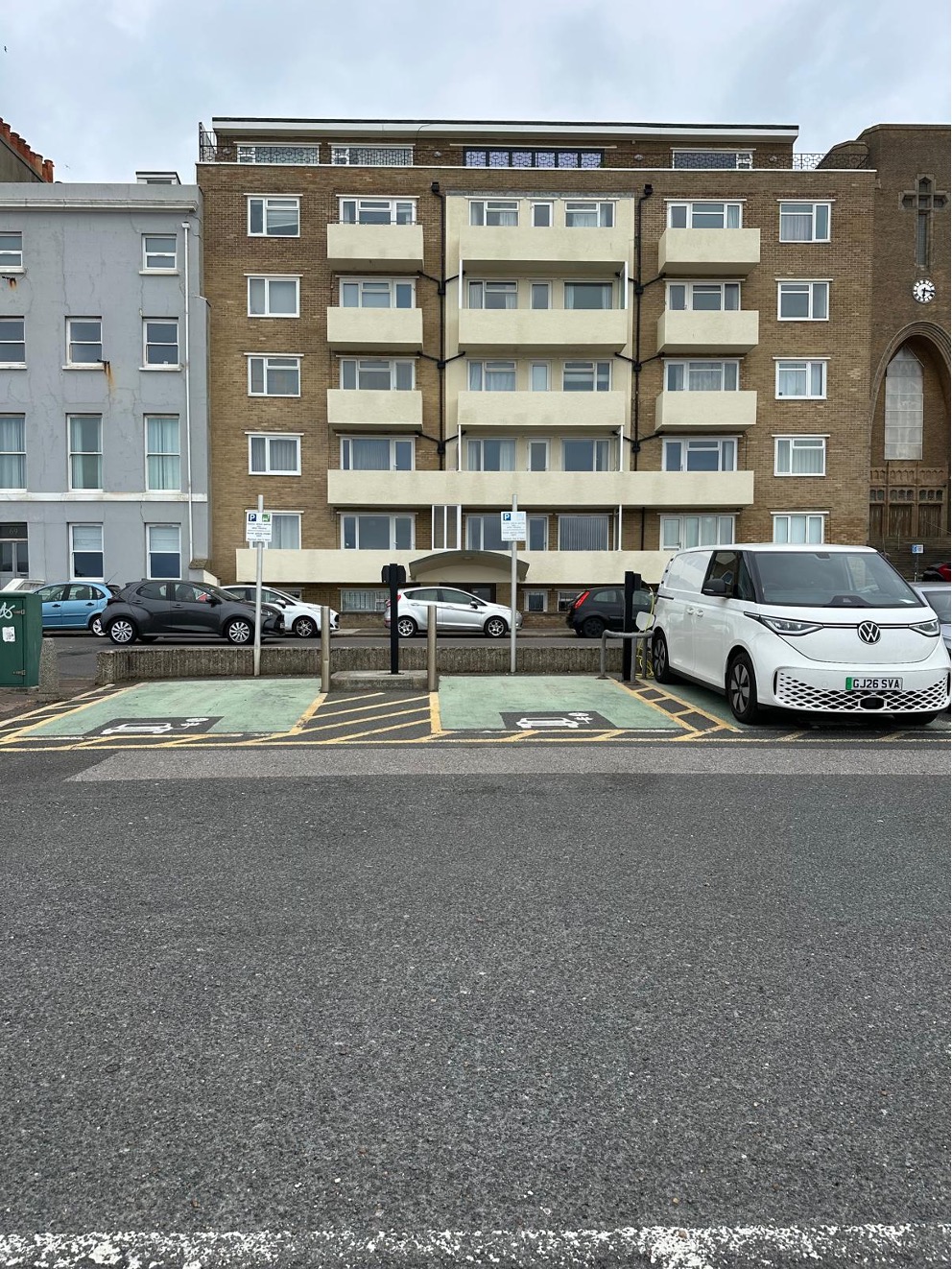
A South of England council operated an established public charging network across several car parks. Warranty support had expired, software connectivity had been lost and the electrical condition of the estate was not sufficiently visible.
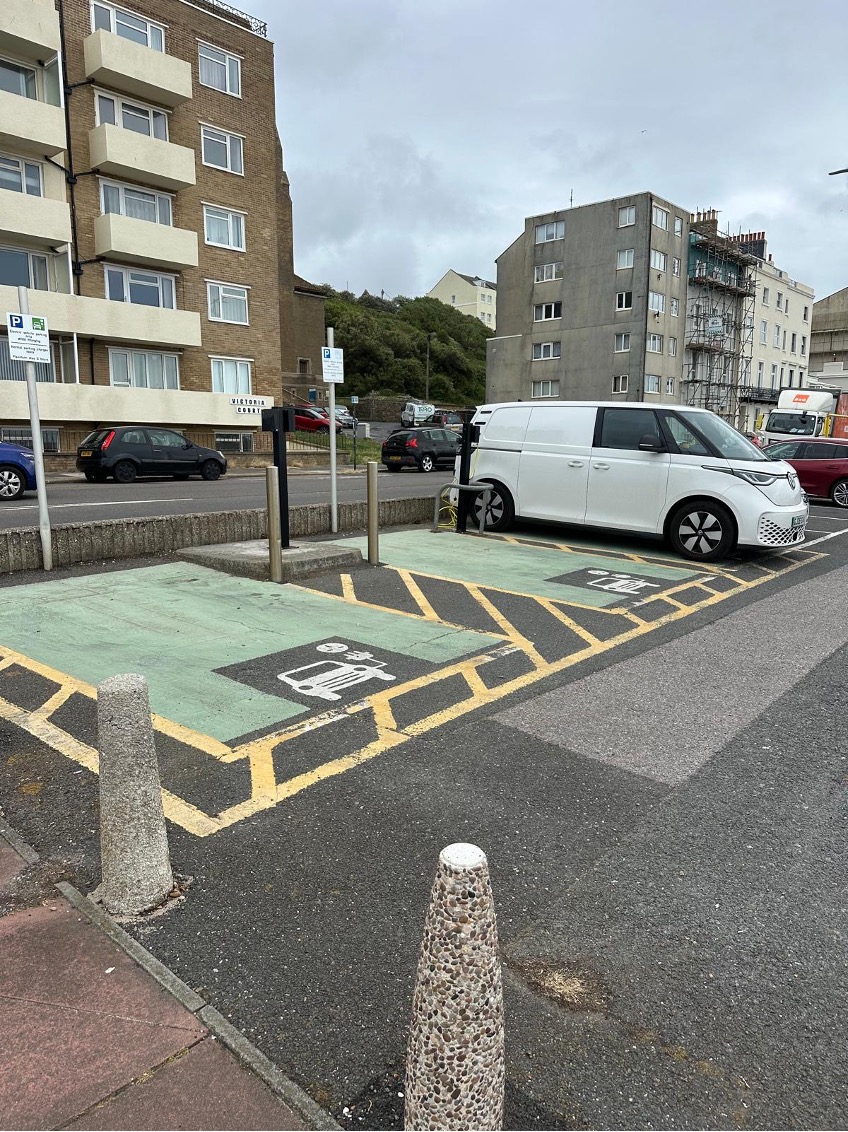
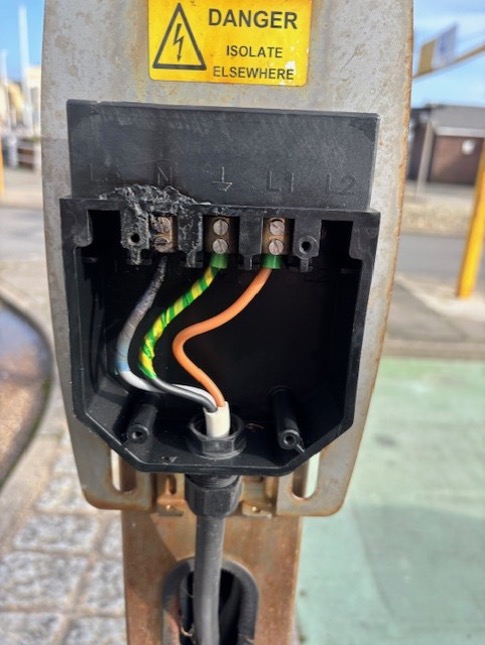
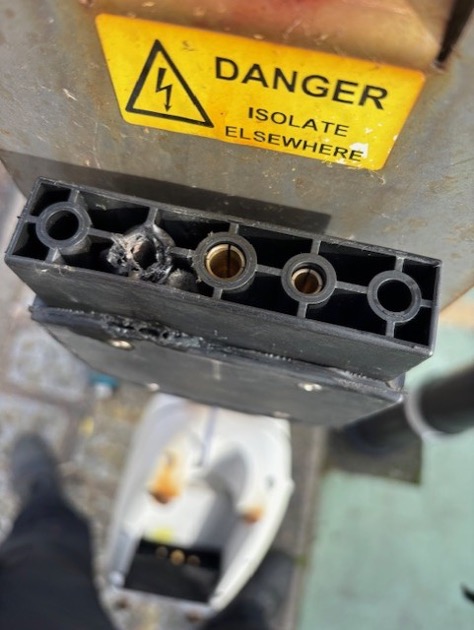
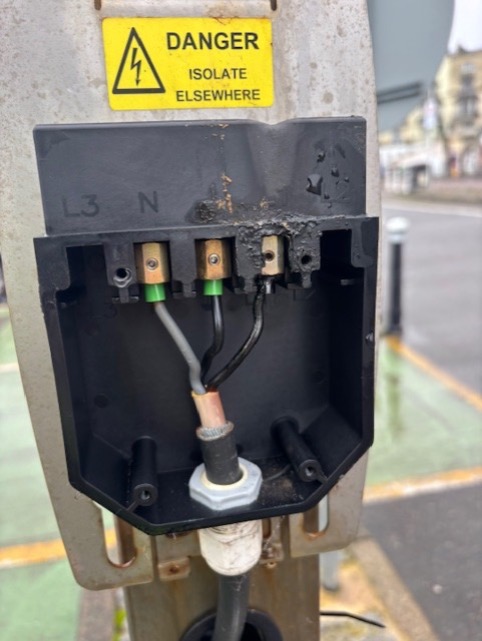
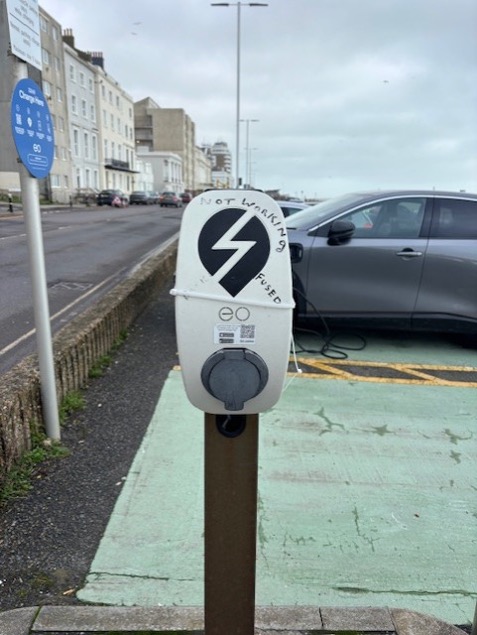
Before committing capital to replacement hardware, Electric Spinach inspected and tested 19 charging units. The findings showed a mixed estate: some assets remained serviceable, while others were faulty, inoperative or required isolation because safety could not be assured. Concerns included PEN-fault protection and earthing arrangements.
The evidence created a targeted strategy: retain viable infrastructure, isolate unsafe equipment, remediate where practical and replace only where continued operation was no longer appropriate. The council moved from uncertainty to a safer, documented and more manageable position.
You cannot safely manage infrastructure if you do not know its condition. Inspection, testing and documented findings must come before assumptions about repair or replacement.
The Standard™ treated every charger as part of a wider operational asset: electrical protection, earthing, physical condition, connectivity, documentation and future management were assessed together. Its five principles shaped the required outcome; a six-stage process converted evidence into controlled action.
The council initially faced an apparent replacement question. The more important first requirement was to establish which assets could remain in public use safely, which needed attention and where investment was genuinely required.
Inspect the charging estate, identify safety and compliance concerns, take immediate action where required and provide an evidence-led route through remediation, replacement and future management.
Project consideration | Why it mattered |
|---|---|
Public safety | Charge points were accessible within operational public car parks. |
Unknown condition | External appearance and basic operation could not confirm electrical safety. |
Mixed asset health | The condition of one unit could not be inferred from another. |
Capital allocation | Wholesale replacement risked discarding serviceable infrastructure. |
Future control | The council needed documented findings and a repeatable management route. |
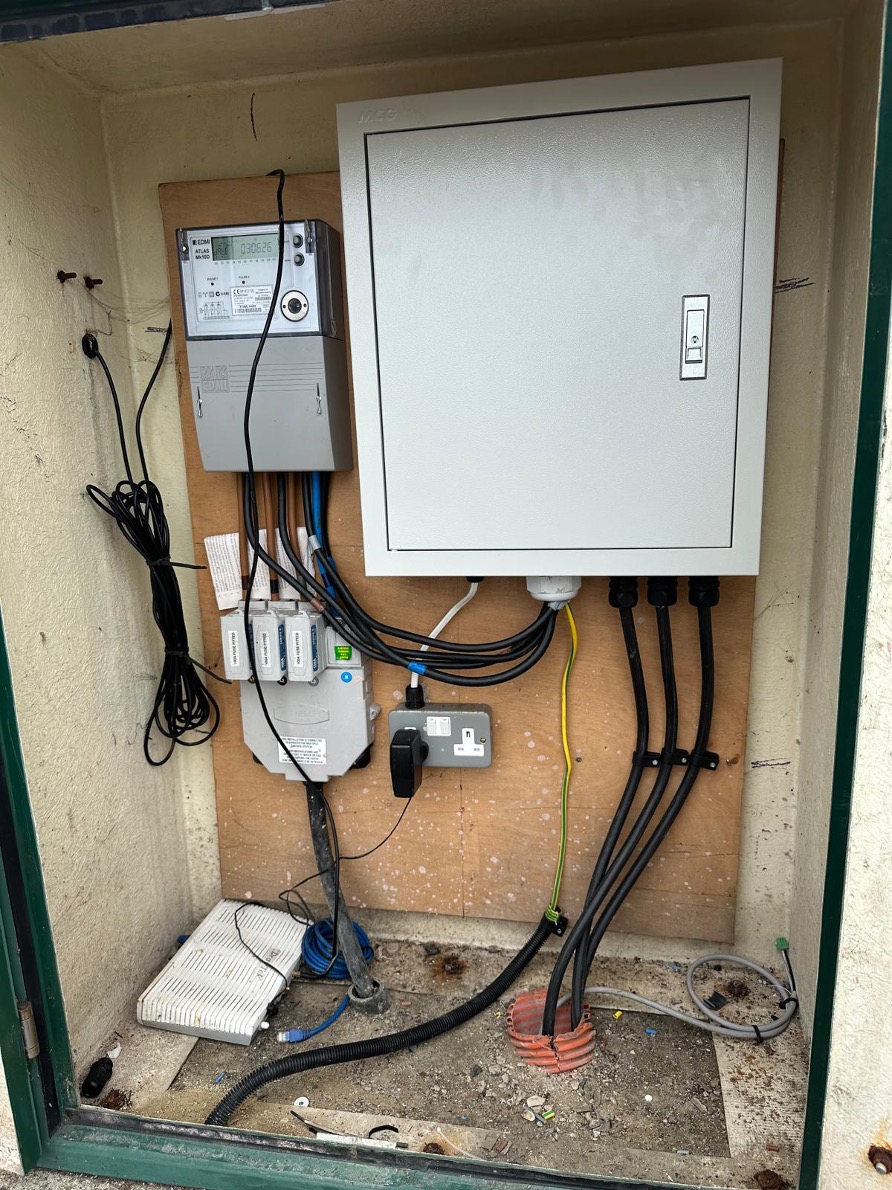
Electric Spinach considered each charger within the complete installation rather than checking only whether it powered on. The review covered charger and enclosure condition, circuit protection, earthing, PEN-fault protection, distribution equipment, physical protection, operational status and lost software functionality.
The project demonstrates why commercial and public charge points require structured inspection, documented findings and action proportionate to the risk identified.
Protection, earthing and PEN-fault arrangements
Enclosures, terminals, cables and visible damage
Serviceable, faulty, inoperative or unsafe
Associated supplies and electrical equipment
Vehicle movement and impact protection
Connectivity, records and future inspection
The inspection results were converted into a clear sequence so that immediate risk, viable infrastructure and longer-term investment were not confused.
Test and document each asset
Classify faults, risks and limitations
Remove unsafe equipment from service
Correct issues where practical
Intervene where retention is unsuitable
Commission, certify and record the outcome
Equipment was isolated where safe continued use could not be assured.
Replacement decisions followed inspection rather than assumption.
Suitable circuits, cabling and supporting infrastructure were preserved.
Findings and certification established the basis for future control.
Requirement | Project response | Ongoing responsibility |
|---|---|---|
Unsafe equipment | Affected units isolated where safety could not be assured. | Keep isolated until competent remediation and verification are complete. |
Electrical protection | Earthing and protective arrangements reviewed and addressed within scope. | Include within planned inspection and testing. |
Physical protection | Mounting and impact-protection arrangements considered. | Check condition and maintain clear access. |
Asset records | Inspection findings and intervention needs documented. | Maintain an up-to-date asset and compliance record. |
Compliance remediation did not mean starting again. Where circuits, cabling and supporting infrastructure remained suitable, they were retained. This limited avoidable groundworks, reduced disruption within live car parks and directed capital towards assets requiring intervention.
Where retention was no longer technically or commercially appropriate, replacement infrastructure was introduced with the required electrical protection, metering, connectivity, user access and management capability. The physical environment around each charge point was considered as part of the finished asset.
Following the remedial programme, replacement equipment within scope was installed, commissioned and certified. The council could distinguish assets that had passed inspection, those isolated or requiring work, infrastructure suitable for continued use and locations where replacement investment was justified.
The project established the condition of 19 charging units before the council committed to wholesale replacement. Unsafe equipment was separated from serviceable infrastructure, viable assets were preserved and intervention was directed by evidence. The outcome was a safer, documented and more manageable public charging estate.
Together, these measures express the Standard’s wider stewardship principle: protect people first, preserve viable infrastructure and direct investment according to evidence.
Inspection and testing identified where safety intervention was required
Serviceable assets were distinguished from faulty or unsafe equipment
Replacement needs considered connectivity and software management capability
The council gained an asset-by-asset picture of condition and action
Inspection, remediation, certification and future review formed one strategy
Establish actual condition before deciding the scale of capital intervention.
One serviceable charger does not prove the condition of the wider estate.
Isolate affected equipment until competent remediation and verification are complete.
The charger, supply, protection, earthing, physical environment and management system are connected.
Compliance should remain visible after installation and handover.
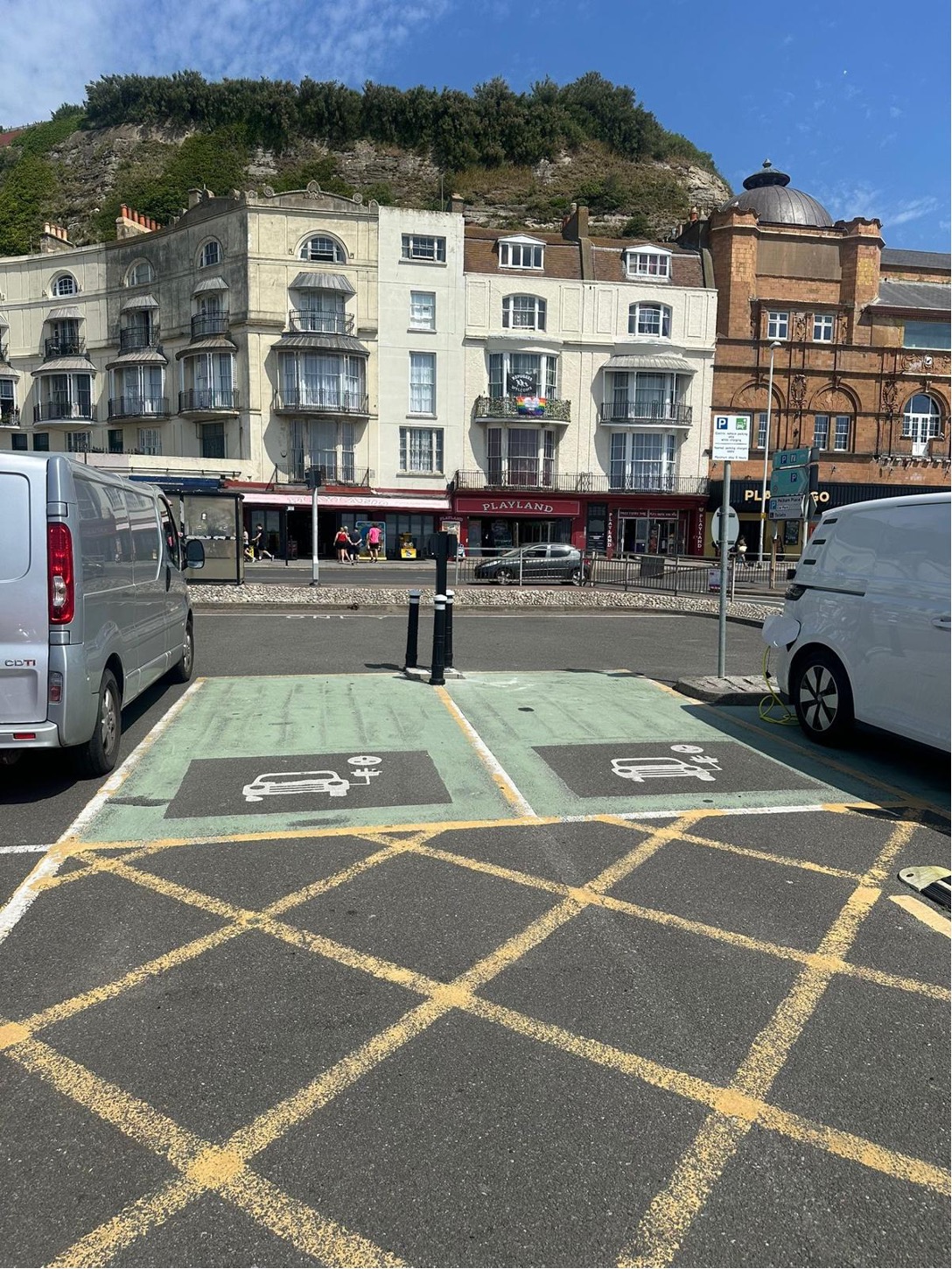
Electric Spinach inspection findings covering 19 existing EV charging units across multiple public car parks.
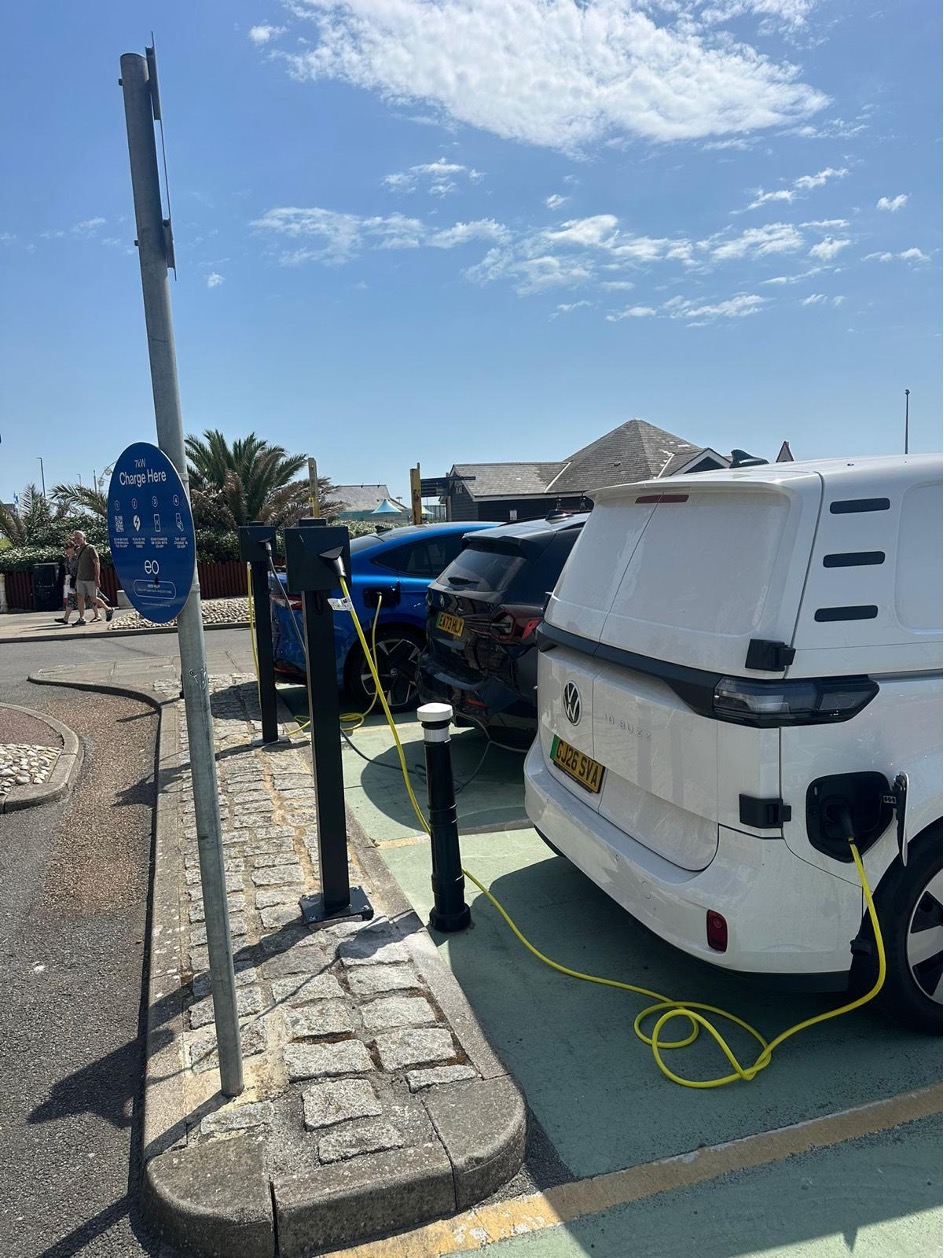
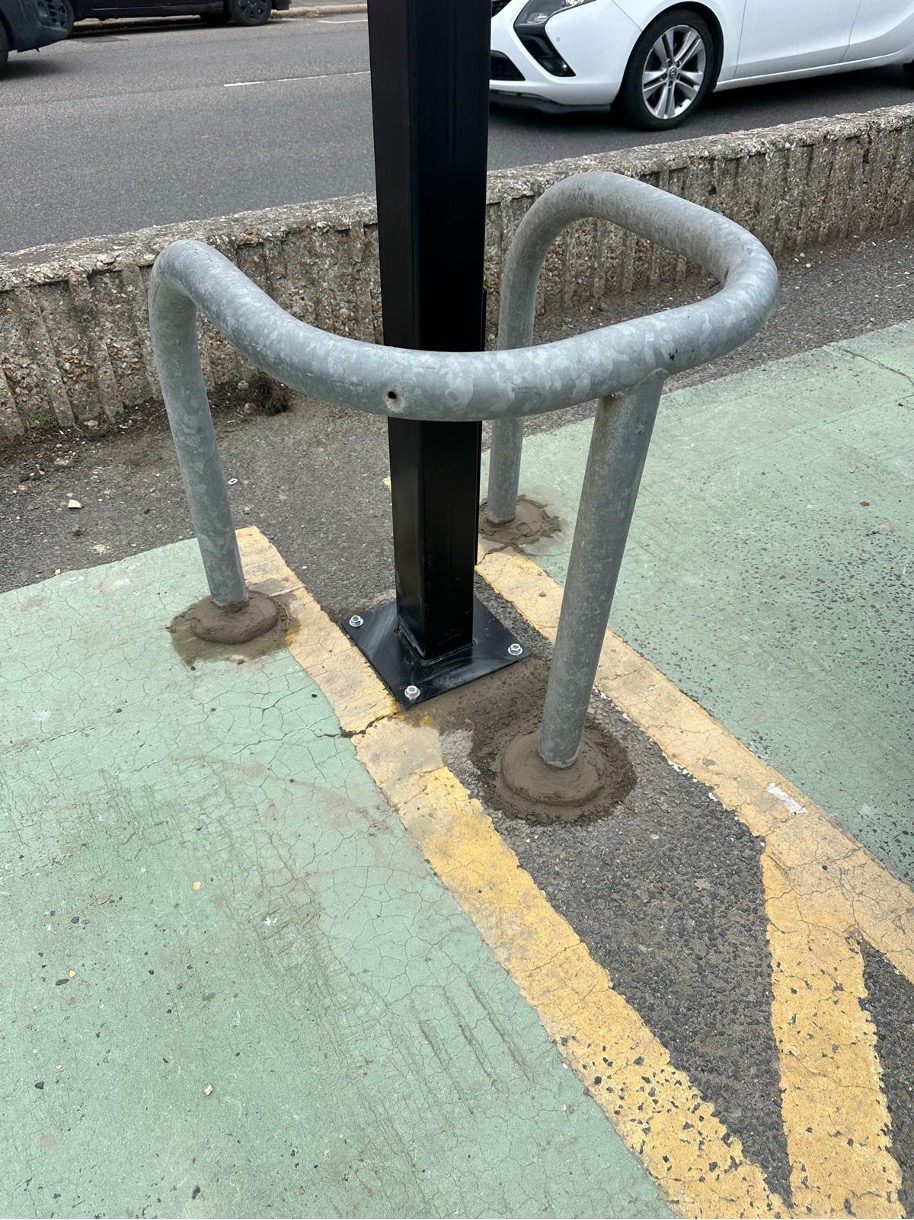
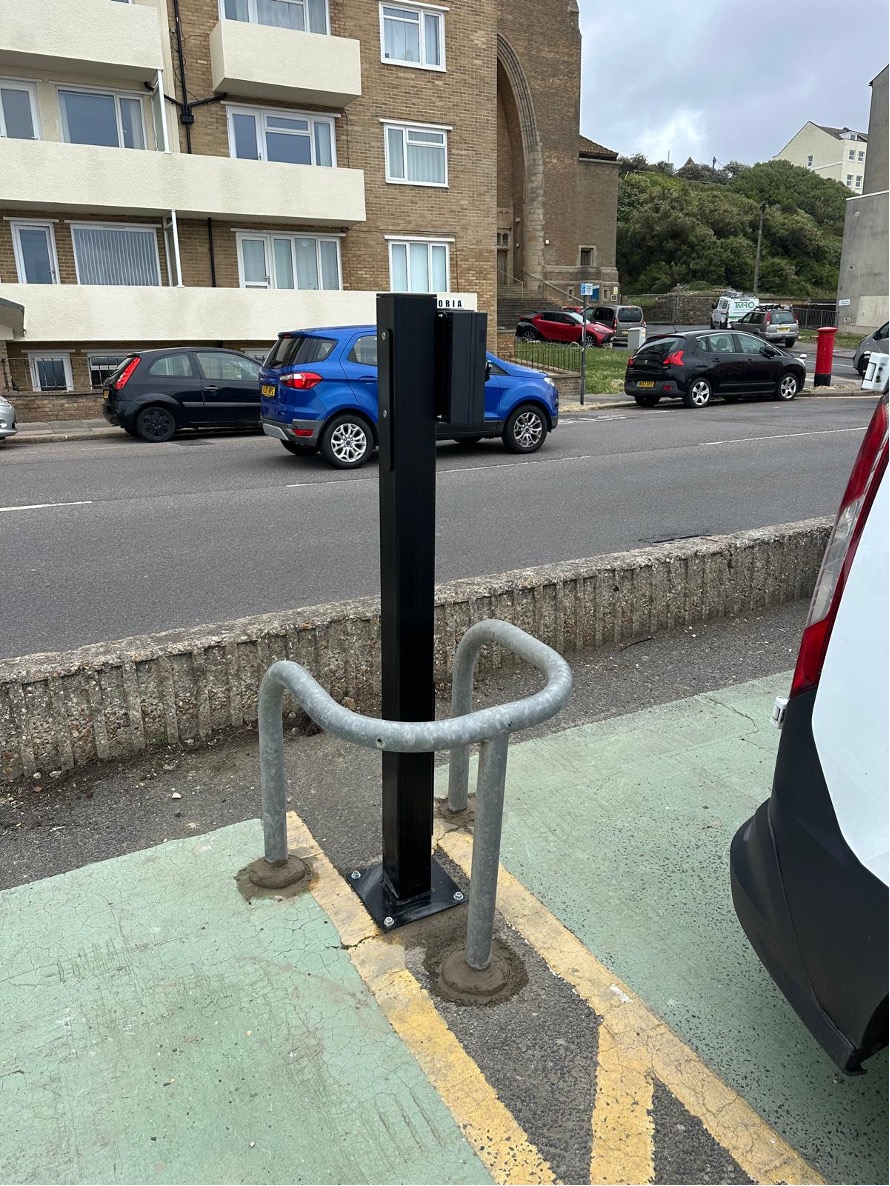
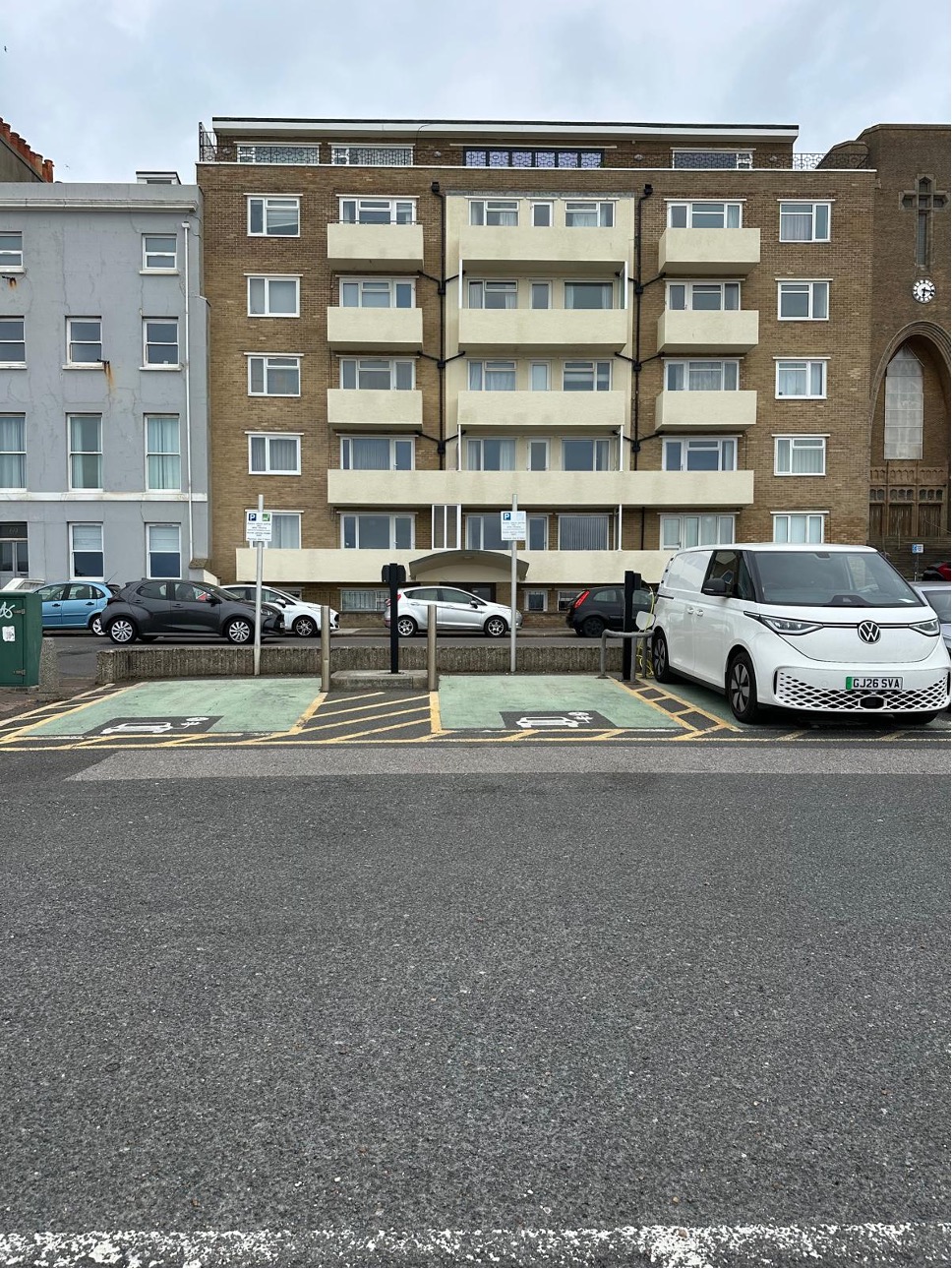
Project photographs documenting charger condition, electrical components, distribution equipment, impact protection and operational locations.
Inspection, remediation, commissioning and certification records applicable to the completed scope.
BS 7671 requirements applicable to EV charging installations and the IET Code of Practice for Electric Vehicle Charging Equipment Installation.
The Electricity at Work Regulations 1989 and manufacturer requirements relevant to safe operation and maintenance.
The estate demonstrates why installed assets require continuing visibility rather than being treated as fit indefinitely.
The chargers and their associated electrical installation were considered together, not as isolated appliances.
Affected equipment was isolated where safety could not be assured, then prioritised for appropriate intervention.
Electric Spinach helps councils, landlords, managing agents and facilities teams establish asset condition, identify compliance risks and create a proportionate route through remediation and ongoing management under the Electric Spinach Standard™.
Book an EV compliance review