ELECTRIC SPINACH STANDARD™ SUCCESS STORY
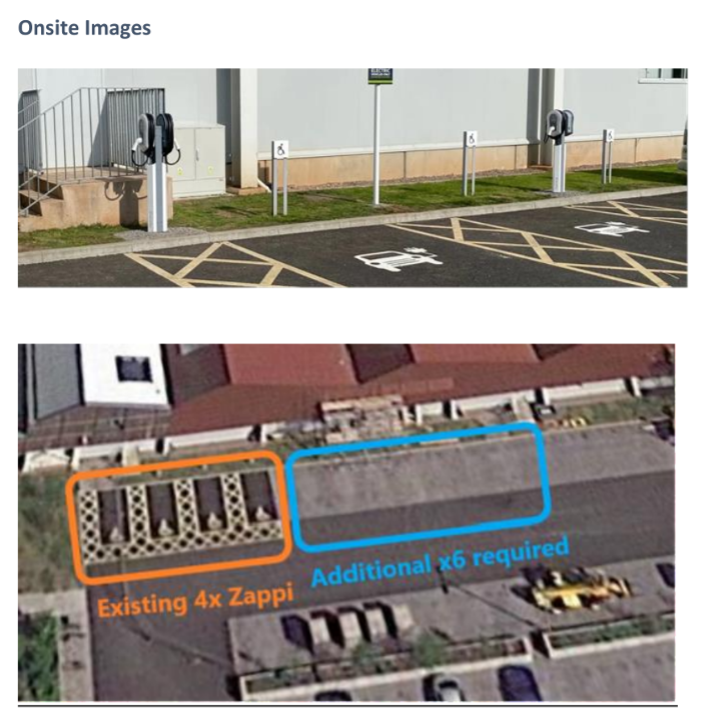
Charlie Bigham’s wanted to expand workplace charging at Dulcote Quarry as more employees moved to electric vehicles. The site already had four Zappi chargers, but three original units could not support the software functionality required for the next phase.
Electric Spinach therefore planned the hardware and software as one system. Ten Easee charge points were connected to Fuuse, creating a uniform workplace service with employee payments, app/QR and optional RFID access, central reporting and managed power sharing.
The business can now manage the employee service and use operational and sustainability data to inform future decisions.
Do not specify the charger in isolation. The hardware selected today influences the software, management and operational choices available tomorrow.
The Standard™ connected the employee requirement to hardware, software, access, payments, electrical capacity and ongoing reporting. Its five operational principles defined what the finished service needed to achieve; the six-stage project process provided the route from legacy constraints to a measurable, managed charging environment.
The objective was to support growing employee demand through a uniform service that could recover charging costs, remain straightforward for staff and give the business clearer operational control. The user, access and payment model therefore had to be defined before selecting additional hardware.
Create a scalable workplace charging service in which hardware and software work together to support staff payments, simplified management, measurable performance and future growth.
Project consideration | Why it mattered |
|---|---|
Legacy hardware | Three original Zappi chargers could not support the software functionality required for the new service. |
Employee experience | Staff needed convenient access and a clear payment route during the working day. |
Operational control | The business needed visibility of sessions, availability, faults, tariffs and usage. |
Future flexibility | The strategy needed to scale without creating a fragmented hardware and software environment. |
The four existing Zappi chargers did not provide one consistent starting point. Three original units could not accommodate the required software, while a later unit offered greater integration capability. The assessment therefore covered users, hardware, power, connectivity, access, payments, reporting and future demand.
The project shows how compatible hardware and well-selected software can preserve operational choice over time.
Employees using app, QR or optional RFID
Four Zappi units with different capabilities
A uniform 10-charger Easee environment
PAYG staff charging and cost recovery
Dynamic sharing across connected vehicles
Usage, availability, faults and ESG evidence
Electric Spinach specified the hardware, Fuuse platform, access, payments and power strategy as one ecosystem.
Employee demand, payments and business objectives
Legacy capability, supply, connectivity and constraints
Uniform hardware and appropriate management software
Access, PAYG, reporting and load management
Commissioning, connectivity and operational evidence
Monitor use, availability, tariffs and future demand
OCPP allows compatible charge points to communicate with a management system, helping reduce unnecessary dependence on proprietary software.
OCPP support is not a simple tick box: version, implementation, supported functions and certification status matter. This project demonstrates the software strategy behind the hardware decision; it does not, by itself, certify the specific chargers against OCPP.
Employee access, payments and reporting requirements shaped the solution.
Easee and Fuuse were selected together to avoid recreating the legacy limitation.
Operational data would support decisions about reliability, tariffs and expansion.
Access, payments, power, reporting and ongoing responsibilities had to operate together.
Operational consideration | Project response | Ongoing responsibility |
|---|---|---|
Employee access | App and QR access, with RFID available as an option. | Maintain clear user instructions and access settings. |
Payments | PAYG functionality enabled employee charging cost recovery. | Review tariffs and payment arrangements as costs change. |
Power management | Available power could be dynamically shared across ten chargers. | Review demand and capacity as employee adoption grows. |
Connectivity & data | Fuuse connected the estate and made usage, availability, faults and sustainability information visible. | Investigate connection losses and use reporting to guide decisions. |
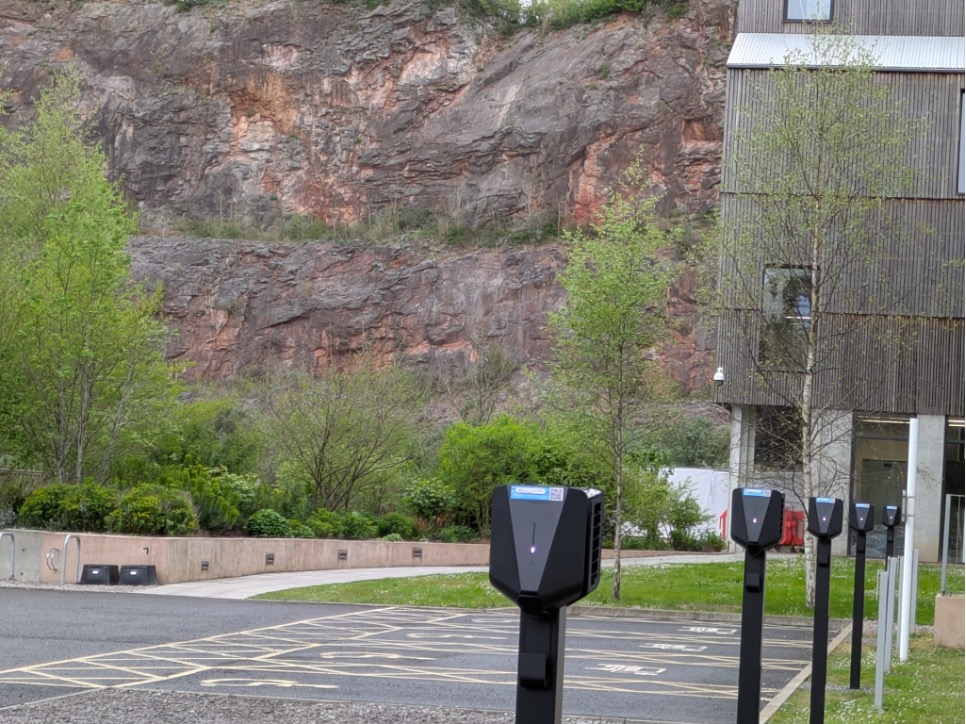
Ten Easee charge points were installed across five dual posts. Under the proposal assumptions, dynamic sharing provided up to 22 kW for one to four vehicles, 11 kW for up to eight and approximately 6.3 kW when all ten charged. Actual speed depends on site power and vehicle capability.
Fuuse provided the management layer, supporting PAYG employee charging, app/QR access, optional RFID and central visibility of sessions, billing and charger performance.
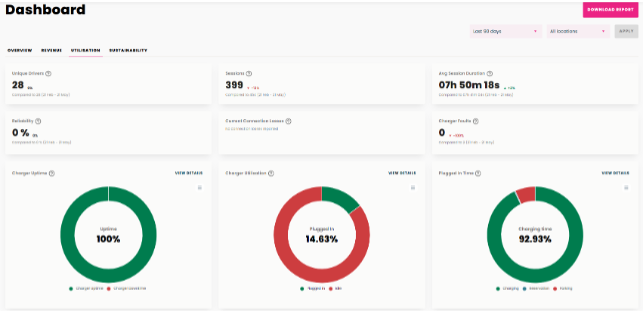
For the selected 90-day reporting period, Fuuse recorded 28 unique drivers, 399 sessions, 100% charger uptime and zero charger faults. These figures describe that reporting window, not a permanent uptime guarantee.
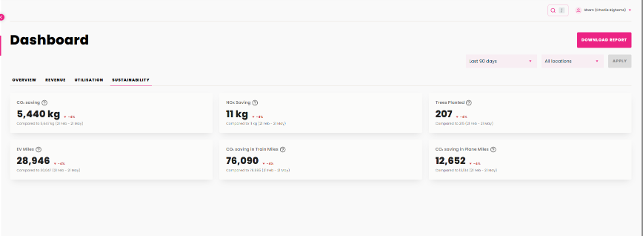
Fuuse also translated charging activity into metrics supporting Charlie Bigham’s B Corp and ESG reporting:
Charlie Bigham’s moved from a mixed estate constrained by legacy hardware to a uniform workplace service built around ten Easee charge points and Fuuse. Employees gained convenient PAYG charging; the business gained visibility of use, availability and sustainability performance.
Together, these measures reflect the Standard’s wider philosophy of operational stewardship: preserve choice, manage the service actively and use evidence to guide what happens next.
Hardware, electrical infrastructure and software were considered as one coordinated system
Connectivity and fault visibility created the foundation for dependable operation
The strategy prioritised software flexibility and reduced avoidable platform dependence
Fuuse provides data on drivers, sessions, availability, faults and utilisation
A scalable environment supports tariff review, maintenance and future growth
Define access, payments, reporting and management requirements before selecting hardware.
Existing chargers may still charge vehicles while restricting the software functions needed for future operation.
Compatibility and implementation detail matter more than an OCPP label alone.
Sessions, availability, faults, utilisation and sustainability data support better lifecycle decisions.
Electric Spinach EV Charging Proposal - Charlie Bigham's, 7 February 2025.
Project planning material and installation photographs documenting the existing area, proposed extension and completed Easee estate.
Fuuse utilisation and sustainability dashboards for the supplied selected 90-day reporting periods.
Open Charge Alliance OCPP specifications used as the protocol reference; no project-specific OCPP certification is claimed.
Legacy charger capability influenced the management choices available for the expanded workplace service.
Three original units could not support the required software, demonstrating why capability must be checked asset by asset.
The answer depends on hardware, protocol implementation, supported functions and the target platform.
Electric Spinach helps employers, landlords, managing agents and facilities teams bring charging hardware, software, access, payments, reporting and long-term management together through the Electric Spinach Standard™.
Book an EV Software & OCPP review